
No products in the basket.
What is Mulch? How to Use it to Boost Your Garden

Garden mulch is an organic covering material spread on top of soil. Mulching, meaning the process of applying mulch to soil, has many benefits, like helping soil retain moisture and providing nutrients while suppressing weeds.
The good news for gardeners is that mulch is very simple to create. By using clippers, shredders, and even lawnmowers, you can create your own at home.
In this blog, we’re diving into the world of garden mulch and how you can use it to your advantage.
We’ll explore the benefits, how to apply it, and some great household items that’ll do the job.
Are you ready to learn about the power of garden mulch?
Let’s get started.
Types of Mulch
Organic mulch: This includes grass clippings, tree mulch, leaves, straw, wood chips, and compost. Weed suppressing mulch, such as shredded bark or straw, naturally breaks down over time and helps prevent weed growth while improving soil structure and health. Biodegradable, organic materials generally work as the best mulch for flower beds and are environmentally friendly.
Inorganic mulch: This includes materials such as gravel, pebbles, and rubbers as well as synthetic options such as black plastic or landscaping fabric. These materials don’t decompose, but they do act as weed suppressant that can also help to regulate soil temperature.
What’s the Difference Between Garden Mulch and Lawnmower Mulching?
So what actually is mulch? Firstly, garden mulch is a thick layer of biodegradable, organic material that’s used to protect plants and improve the health of soil. It’s traditionally used in flower beds and decorative borders around your lawn.
You can easily make your own garden mulch using a variety of garden waste such as grass clippings, shredded leaves, wood chips, and bark.
By applying this to your soil, you’ll enhance it’s quality by retaining moisture, suppressing weeds, and regulating the temperature (especially during the winter months).
Lawnmower mulching on the other hand, refers to a specific processes created by a mower that has a “Mulching” facility.
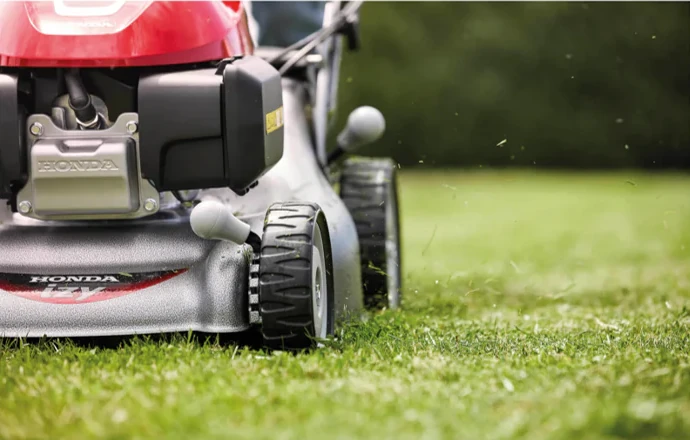
A Mulching Mower retains its grass clippings within the blade compartment, chopping them in to much smaller pieces (like a blender!) and then evenly spreading them directly back onto your lawn. This process is actually killing two birds with one stone! By offering you the dual benefit of eliminating waste and enriching the lawns soil with nutrients; lawnmower mulching is an effective way of improving soil health and reducing mowing time.
The Benefits of Lawnmower Mulching
Lawnmower mulching provides many benefits to soil and improves both the look and health of your lawn. This efficient process is sustainable and works as a great option for regularly mown lawns.
Here are some benefits of lawnmower mulching:
Saves Time and Energy
Using a lawnmower for mulching saves time and energy because there’s no need to constantly empty your grass bag and then dispose of grass clippings manually. By removing this process, you can spend more time mowing and less time walking backwards and forwards to your garden waste bin and interrupting your flow.
Saves Money
If you’re looking to save money, lawnmower mulching can help as you reduce the need for fertiliser and lawn treatments as well potentially removing the need to pay for an additional garden waste bin from your local council. Instead, you can use one machine that provides multiple features as opposed to buying more to do the same job.
Returns Nutrients to the Grass
Lawnmower mulch is cut so finely it breaks down and decomposes quickly, returning valuable nutrients to your soil. As they decompose, they release essential nutrients like nitrogen, which is vital to the health of the soil. Without even needing to do any extra work, you can use your lawnmower to deliver these clippings straight back into the lawn. This also reduces the need for chemical lawn treatments making it much better for the environment too.
Creates a Uniform Appearance
As you use your mulching lawnmower, it returns grass clippings to your lawn evenly (cutting no more than 2 inches at a time), so you don’t need to worry about it looking unkempt or messy. Lawnmower mulching creates a uniform look as the clippings blend back into the lawn, giving a temporarily full look.
View our range of Petrol Mulching Mowers or our range of Cordless (Battery Powered) Mulching Mowers. At GLC, the majority of our lawn mowers come with both collection and mulching options free of charge. With your convenience in mind, this will streamline the process and make it easier for you.

Creating Mulch with Garden Chippers and Shredders
You can use garden chippers and shredders to make the perfect mulch. Chippers and shredders are excellent tools for recycling your garden waste such as twigs, leaves, branches, and other garden debris and turning it in to valuable much for your borders and flower beds.
They’re powerful machines that process garden waste as you feed it into the machine, with the end result of fine mulch.
Once it’s been shredded into fine mulch you can use it around garden beds, shrubs, and trees to improve the soil conditions. During winter months, this also prevents your soil from being impacted by heavy ground frosts by creating an artificial top layer of thermal protection.
Here are some of the benefits of using a garden chipper or shredder for mulch:
Waste reduction: Most garden debris can be transformed into mulch instead of becoming waste for landfill sites.
Soil enrichment: The materials that chippers and shredders break down help to enrich soil by adding nutrients and organic matter to it. Tree mulch, made from shredded branches and bark, is especially beneficial for retaining moisture and protecting tree roots.
Eco-friendly gardening: Using a chipper and shredder minimises waste as you don’t have to rely on commercial mulch that’s bagged and creates waste.
Versatile uses: Shredded mulch is suitable for different areas of the garden, like pathways, vegetable gardens, flower beds, and tree bases.

Types of Chippers and Shredders
There are different types of chippers and shredders you can use, all with different features and benefits. Generally, different types are better for different circumstances and requirements, so it’s about choosing the right one for what you need.
Here are some of the most common types of chippers and shredders:
Electric models: These are best for smaller to medium gardens in residential areas, as they don’t make as much noise as other models. They’re also better for the environment, as they release less emissions than petrol models.
The Cobra QS2500 Electric Garden Shredder is an excellent example machine, as it can chip branches up to 40mm in diameter and has adjustable features for your convenience. However if you tend to shred green leafy waste, the Stihl GHE105 Electric Garden Shredder is the perfect companion for this task.
Petrol models: If you need to cover a larger area with heavy-duty waste, like thick branches up to 80mm, these kinds of models are the better choice.
A great example of this is the Cobra Chip 650L Petrol Trimmer / Shredder, which is great for heavy domestic use due to its sturdy frame and durable qualities.
Combination machines: Offering both chipping and shredding functions, combination models provide flexibility for various materials.

Step-by-Step Guide for Using a Chipper or Shredder to Make Mulch
If you want to know how to make mulch with a chipper or shredder, the good news is that the process is relatively simple.
Here is a step-by-step guide to using a chipper or shredder:
Check the Size Requirements
The main thing to keep in mind is that the machines are heavy duty and need to be handled as safely as possible. Before you begin the shredding process, check how much material the machine can handle. The reason for this is because if items are too large the machine may spit it back at you, causing a threat of injury.
Choose the Right Machine
As mentioned above, the machine you choose can impact the process. For smaller areas with less mulch requirements, an electric mower is the best option. If you need to cover a lot of space with a lot of mulch, petrol machines are generally powerful enough.
Prepare the Garden Waste
Gather the waste you’re using to create a mulch-heavy garden, like debris, leaves, and branches. For the best, smoothest results, make sure the waste is dry and not damp or wet. This will give you the best outcome and the highest quality of mulch.
Shred the Material
Feed the waste into the machine carefully and steadily, allowing it to process it into fine mulch. Put the blunt end of the branches and twigs in first, and keep your hands and arms away from the material.
Apply the Mulch
Once the mulch has formed, it’s ready to be sprinkled straight onto flower beds, pathways, vegetable gardens, and straight onto bare soil. It’ll begin to add nutrients and work its magic from the get-go.
For a visual demonstration, watch this video!
Top 10 Household Items to Use in Your Garden
There are lots of household items you can use to boost the health of your outdoor space and create a beautiful garden. Plenty of household items are nutrient-rich, making them great for enriching the soil and improving the health of your garden. Rethinking waste can transform your gardening techniques, and enlighten you to a variety of benefits.
Using items from your house is environmentally-friendly as it removes the need for waste, as well as reduces gardening costs as you don’t need to buy more equipment.
According to Waste Managed, “The UK wastes approximately 9.52 million tonnes of food every year.”
So, let’s try and turn that around with some compostable items and utilise what we already have! Alongside the food items, there are plenty of other items you can transform into handy compost items for your outdoor space.
Here are 10 household items you can use in your garden for compost:
- Tea bags (green tea leaves are incredibly useful)
- Coffee grounds
- Fruit and vegetable scraps
- Eggshells
- Cardboard (shredded)
- Paper towels
- Toilet paper rolls
- Wood ash
- Nut shells
- Old newspaper (shredded)
You can use these items in your garden and apply them directly to flower beds and soil to help with its health and structure. Each one is packed full of organic materials and can naturally decompose and provide nutrients to the soil in the process.

What is Mulch? How to Use it to Boost Your Garden
You’ve probably gathered by now that garden mulch and lawnmower mulching is pretty important and there are lots of ways to go about producing it.
Whether you opt for lawnmower mulching to receive dual benefits, or you want to create your own garden mulch using a chipper or shredder, your soil will feel the benefits. Composting on top of this with household items will save you money and further aid the health of your garden.
If the soil in your garden is thriving with nutrients, suppressing weeds, and retaining moisture, your garden as a whole will significantly improve.
All of our products at GLC are designed to last with full spare parts availability and aftersales service for ultimate sustainability. The majority of our mowers come with grass collection and mulching options built in, making them a great choice for all your gardening needs.
Explore our chippers, shredders, and lawnmowers today. Or, get in touch with us for more information.